
Cardiology
Successful Management of Acute Myocardial Infarction (Heart Attack) in Cardiology
Hospital : Viswam Hospital , Vizag.
A 55-year-old sales manager, found himself in the midst of a medical crisis. Gripped by a whirlwind of sensations, his chest felt heavy with crushing pain, which extended to his left arm and jaw. Alongside, he struggled to catch his breath, and sweat poured down his brow. Despite trying to ease the discomfort with rest and medication, the symptoms persisted, signaling a serious problem. As Rajesh regained consciousness, it was evident that this was no ordinary situation. A race against time had begun, with doctors swiftly assessing and treating him. Thus began Rajesh’s journey, where every action aimed to address the looming threat of a heart attack. The timely administration of PCI, complemented by comprehensive medical attention, proved instrumental in facilitating favorable results.
Upon Michael’s arrival, healthcare professionals swiftly evaluated his condition, checking his vital signs:
Blood Pressure: 160/100 mmHg
Heart Rate: 110 bpm
Respiratory Rate: 22 breaths/min
Oxygen Saturation: 96% on room air
To gain further insight into his health status, various tests were conducted:
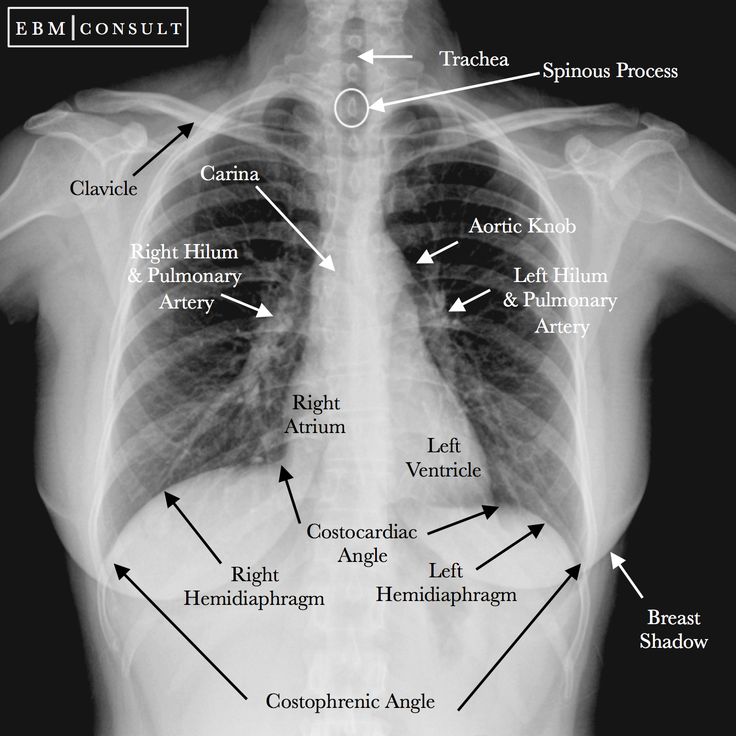
An Electrocardiogram (ECG) indicated ST-segment elevation in leads II, III, and aVF, suggestive of a heart attack. Cardiac Enzyme Studies confirmed myocardial damage with elevated troponin levels, while a Chest X-ray ruled out any lung complications.
Immediate treatment was initiated:
Michael underwent urgent percutaneous coronary intervention (PCI) in the cardiac catheterization lab to restore blood flow in the blocked artery. Additionally, he received medications such as aspirin, clopidogrel, and intravenous heparin to prevent further clot formation. Intravenous morphine and nitroglycerin were administered for pain relief and to reduce strain on the heart. Continuous monitoring of his heart rhythm and vital signs commenced to closely monitor his condition throughout his treatment.
After undergoing PCI, Michael experienced relief from chest pain, and his ECG readings returned to normal. He was admitted to the cardiac care unit for monitoring and further treatment. Subsequent assessments showed stable cardiac enzymes and no complications. Upon discharge, Michael received instructions for cardiac rehabilitation and preventive measures.
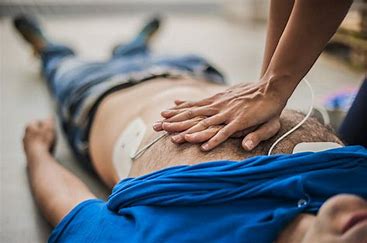
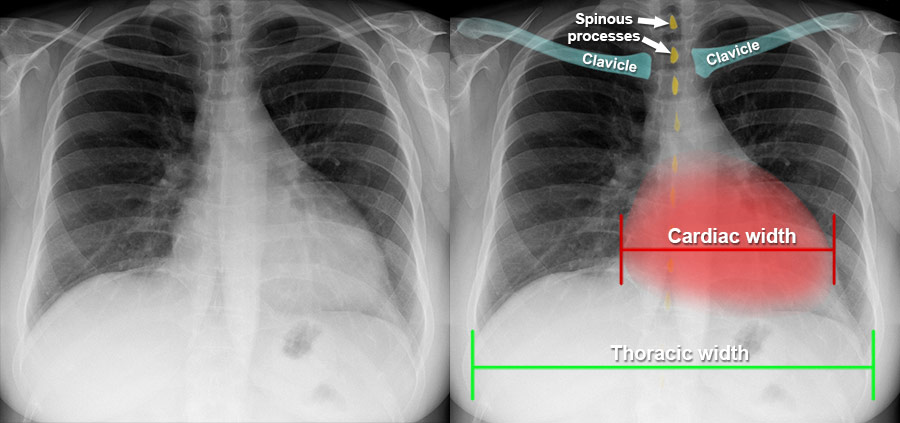
Image of Cardiac Arrest Width
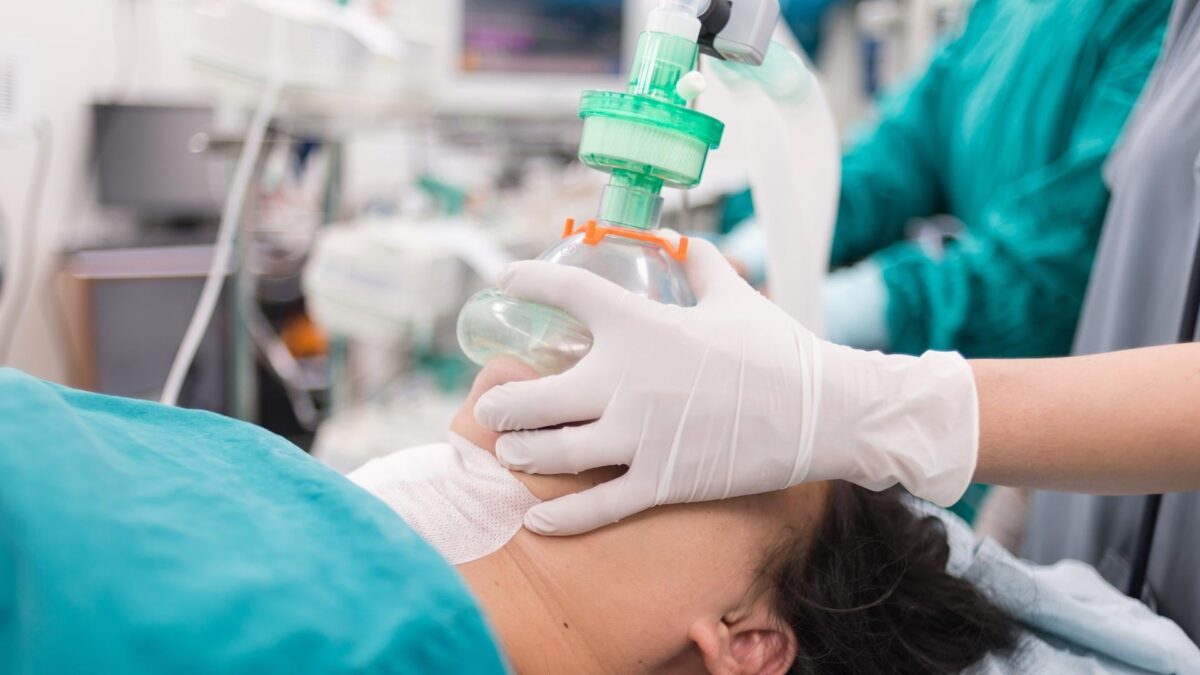
In summary, Michael’s case highlights the importance of quick identification and treatment of acute coronary syndrome (ACS). Timely intervention with PCI, along with medical care, led to positive outcomes. Collaboration among healthcare teams and adherence to established protocols play key roles in optimizing care for ACS patients. The timely administration of PCI, complemented by comprehensive medical attention, proved instrumental in facilitating favorable results.
Our Specialist:

Dr. Bhavani Shankar
Pediatrician
Dr. Raj Kumar Sahoo
Pediatric Surgeon